Serving and protecting the lives and rural properties of the Seneca and Racine communities since 1988.
Election Day: Tuesday, November 3rd, 2026 | Vote YES on Proposition 2
Since the creation of the Seneca Area Fire Protection District in 1988, we have never had a tax levy increase. For nearly 40 years, we have stretched every taxpayer dollar to protect our community. But today, the operational reality of emergency response requires us to ask for your support to maintain our baseline of safety.
We proudly serve over 93 square miles of rural Newton County outside Seneca city limits. As our community has grown, so has the demand for life-saving services:
Addressing the critical gap when volunteer personnel are at their primary weekday jobs, ensuring prompt response times 24/7.
Ensuring front-line engines and brush trucks meet modern NFPA safety and response standards to protect our crew and residents.
Ongoing live-fire, structural, and advanced EMS certifications with regional partners to maintain elite emergency readiness.
Repairing and modernizing aging station infrastructure built decades ago to support local command center capabilities.
The cost of basic life-saving equipment and apparatus has surged drastically. Below is a direct 5-year comparison of what it costs to outfit a single firefighter and maintain our fleet:
| Equipment / Apparatus Description | 2020 Cost | 2025 Cost | Inflation Surge |
|---|---|---|---|
| Structural Helmet | $300 | $700 | +133% |
| Flash Hood (Nomex Protection) | $120 | $175 | +46% |
| SCBA Air Pack (Self-Contained Breathing Apparatus) | $5,000 | $10,000 | +100% |
| Structural Firefighting Gloves | $100 | $150 | +50% |
| 800MHz Dual-Band Lifeline Radio | $3,000 | $6,000 | +100% |
| Structural Fire Boots | $380 | $700 | +84% |
| Turnout Gear Set (NFPA Structural Coat & Pants) | $2,800 | $5,000 | +79% |
| Front-Line Pumper Fire Engine | $400,000 | $1,300,000 | +225% |
Tax levies are calculated per $100 of your property's assessed valuation, which is determined by Newton County assessor guidelines (not the market resale value of your home). A modest adjustment allows us to build a guaranteed revenue stream to secure reliable daytime emergency response and modern, safe apparatus.
Yes. Under Missouri state statutory regulations, all revenue collected from Proposition 2 is legally ring-fenced and restricted strictly to supporting Seneca Area Fire Protection District fire suppression, rescue equipment, emergency daytime staffing, and baseline operational facilities. It cannot be diverted for non-district municipal expenses.
Paid for by the Seneca Area Fire Protection District Firefighters Fund. Non-Emergency: (417) 776-8050.
Click any image below to load a high-definition lightbox overlay for complete viewing.
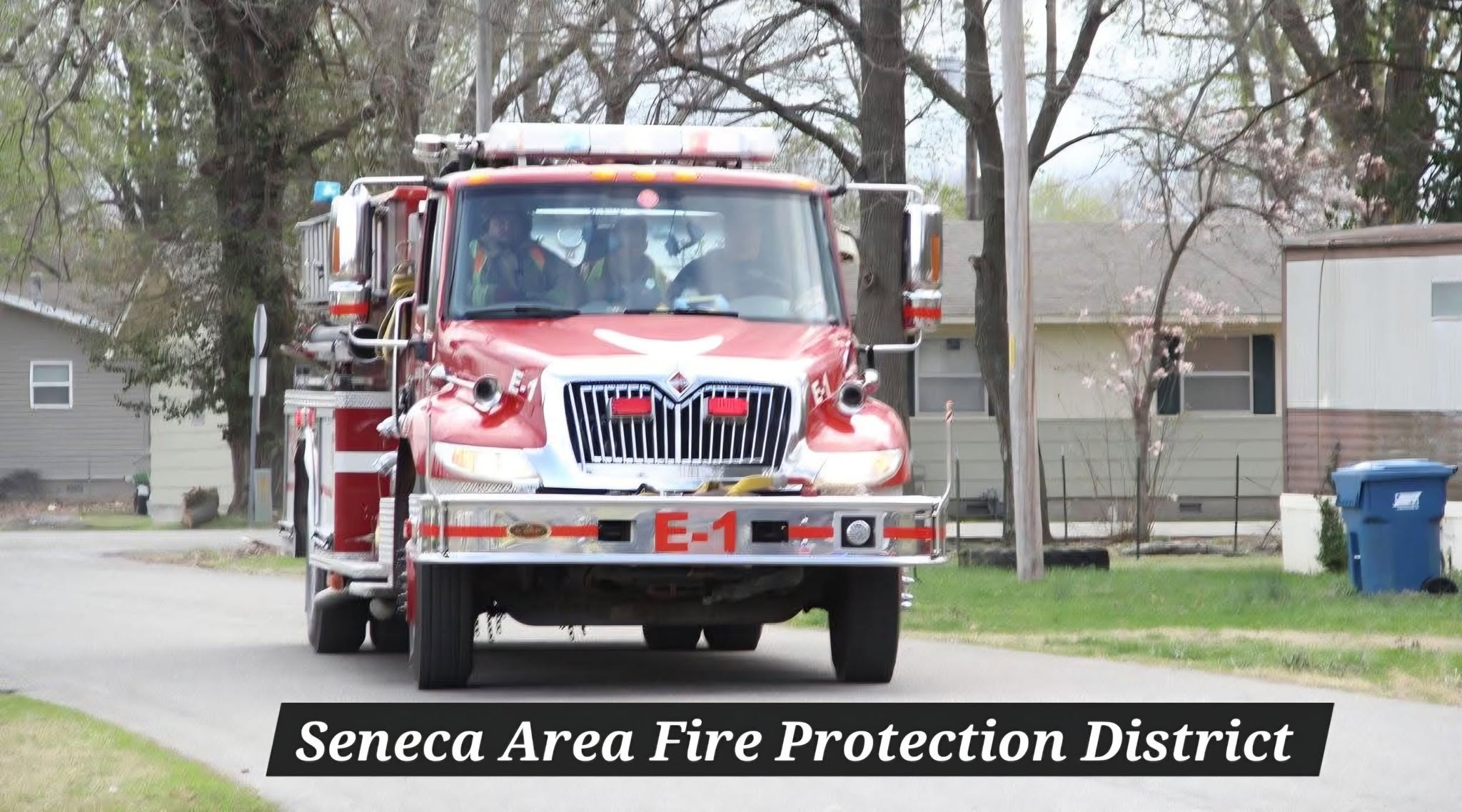
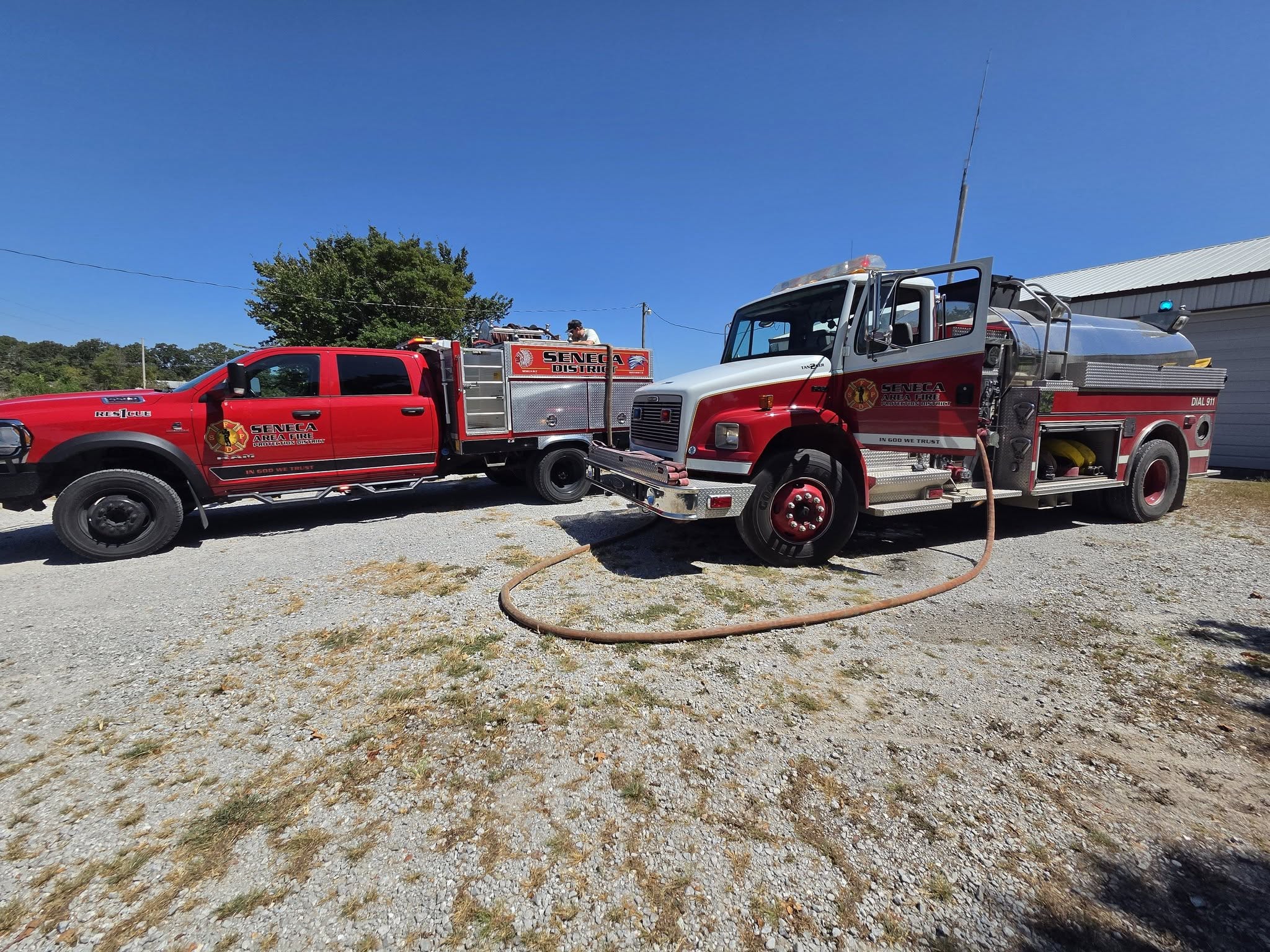
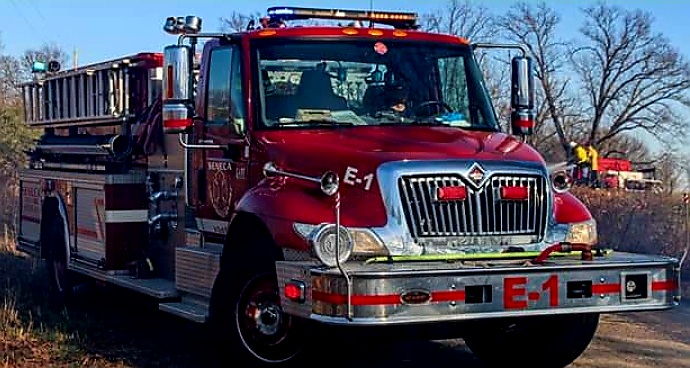
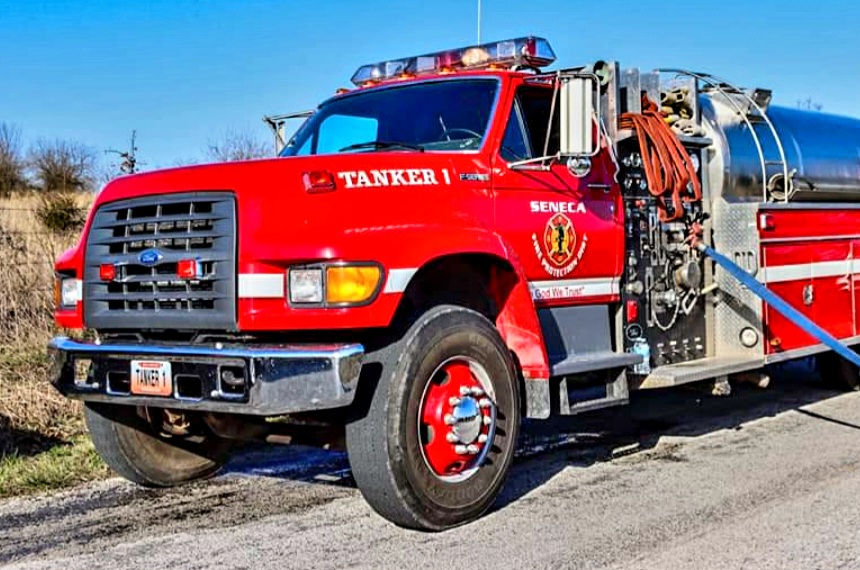
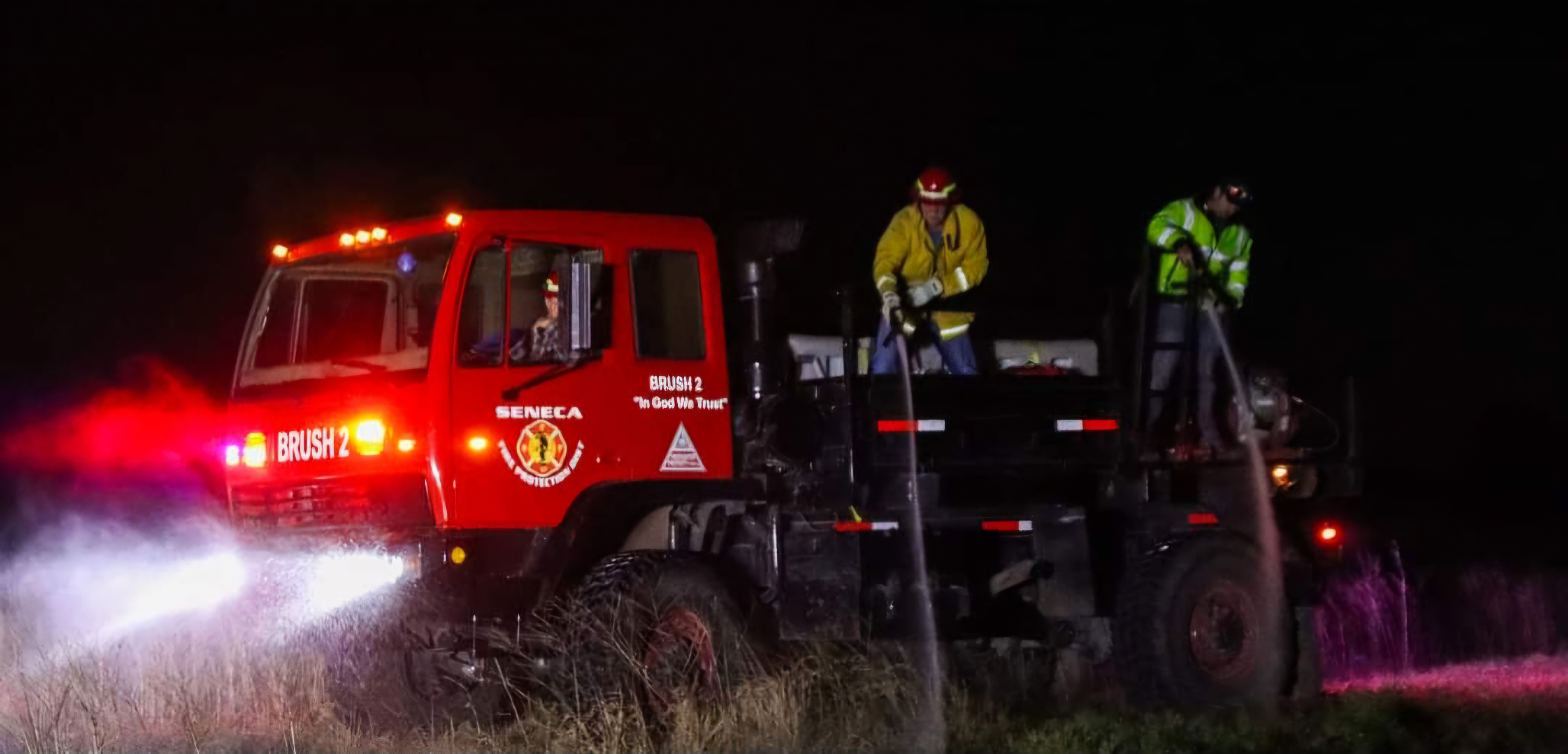
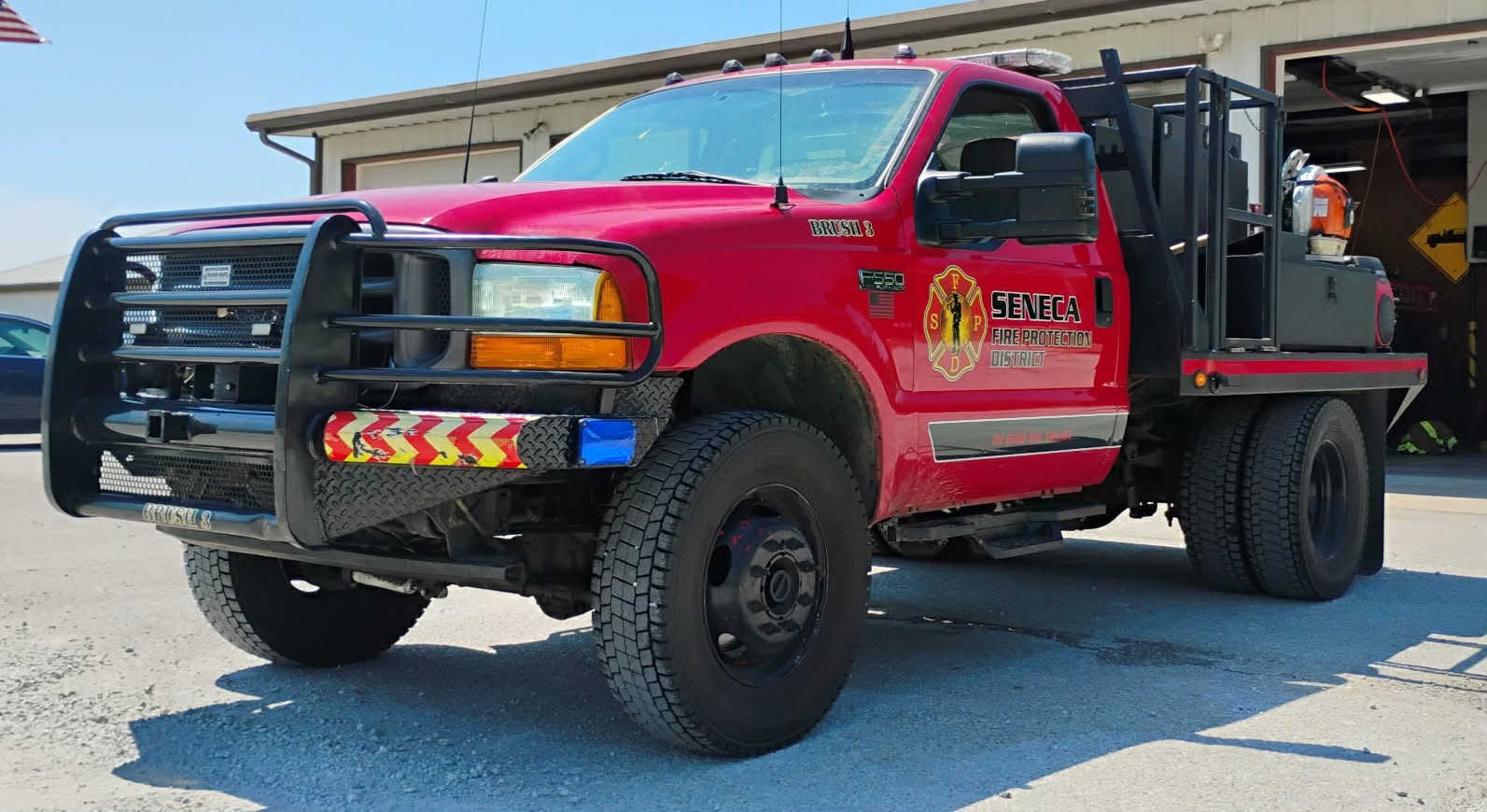
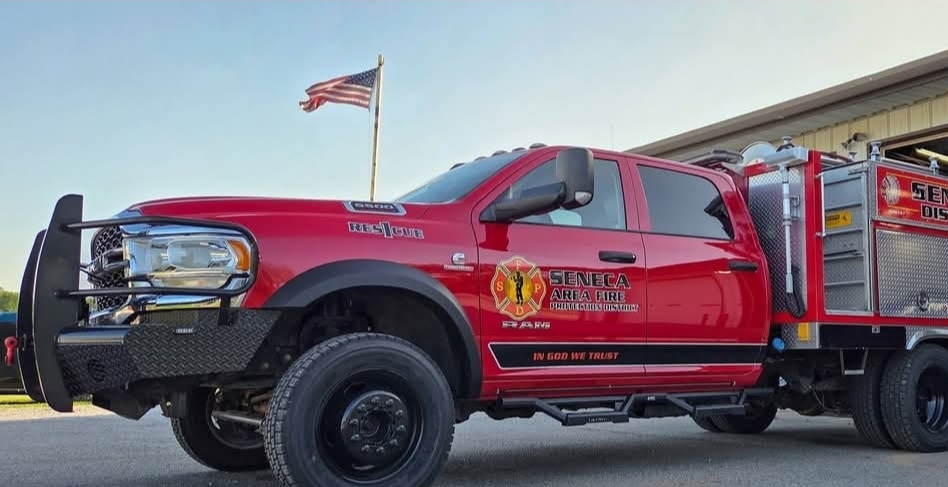
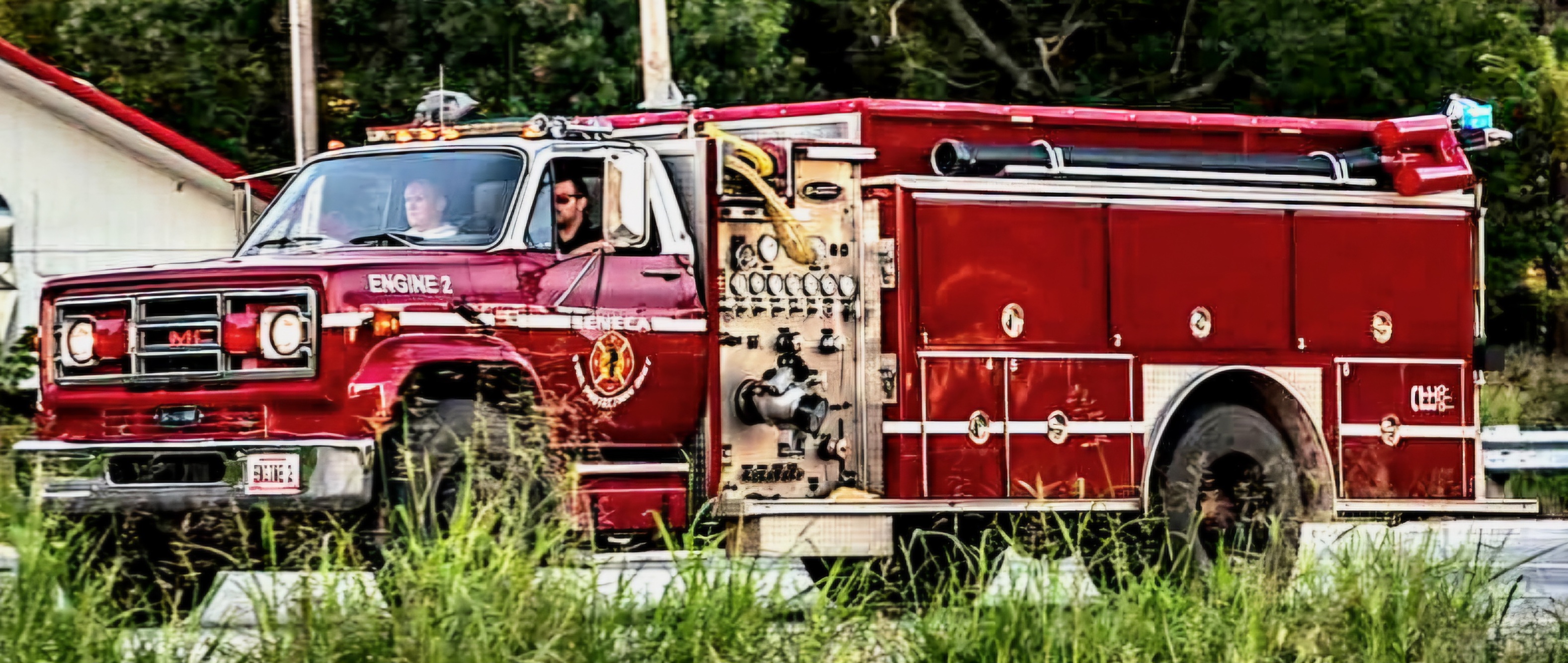
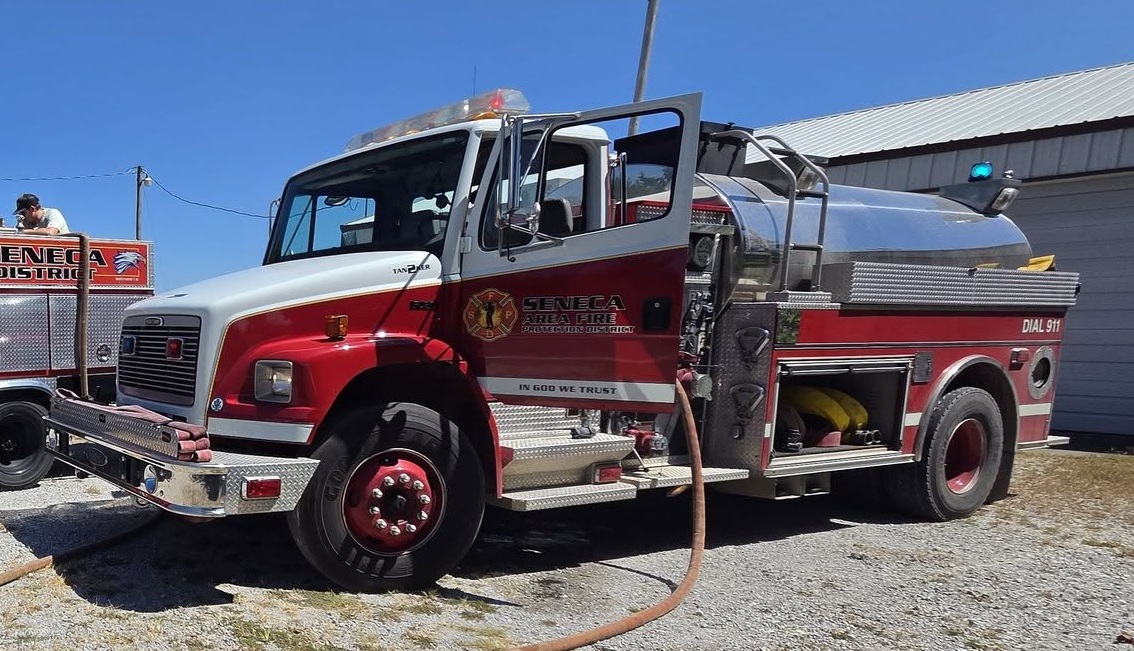
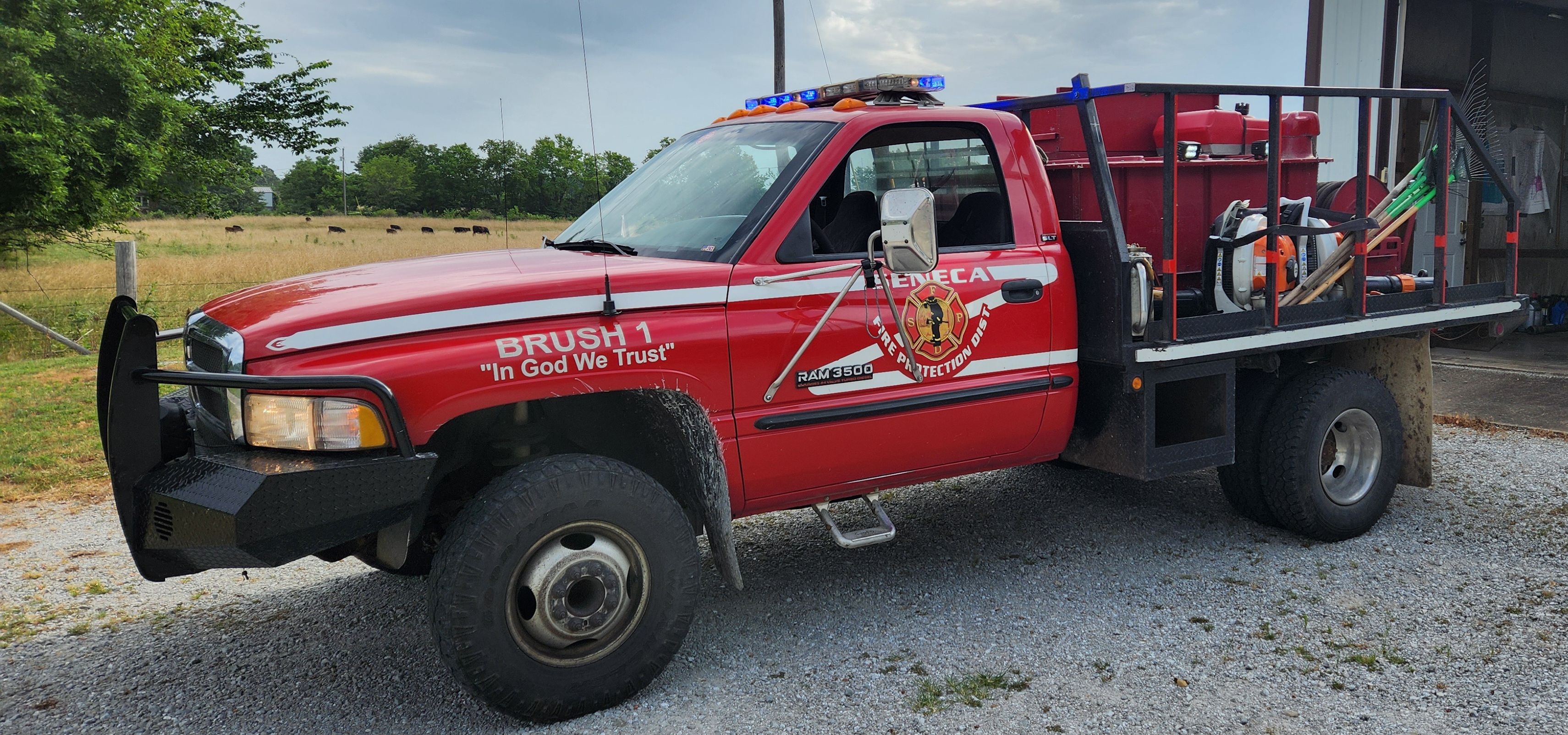
Consolidated apparatus configurations. Operated by Station 1 (Racine Headquarters) and Station 2 (Dessa Station).
* Operational Integrity, Governance, and Fiscal Management *
The Missouri Hancock Amendment places strict limits on the amount of tax revenue our district can collect. It legally forces the roll-back of our tax levies, even when assessed property values rise. Because of this restrictive cap, our operational revenue struggles to keep pace with basic inflation, severe equipment depreciation, and the rapidly rising costs of structural firefighting gear.
By keeping this section separate, we ensure that as fiscal measures are updated by our Board, this informational panel can be customized or collapsed easily [2026] without disrupting the underlying department files.
As a fully volunteer, tax-supported district, community involvement is the lifeblood of our operations. Whether you can give your time or make a contribution, you are helping us save lives.
Monetary donations go directly toward purchasing life-saving medical supplies, structural gear, and fleet maintenance. We process our 501(c)(3) donations through Zeffy, ensuring 100% of your gift goes directly to the department with zero processing fees.
DONATE SECURELY ONLINEIf fighting fire isn't exactly your wheelhouse, there are many volunteer opportunities! You do not have to run into burning buildings to serve your community. We are always looking for volunteers to assist with apparatus maintenance, administrative support, community outreach, and providing rehab to firefighters at emergency scenes.
ASK ABOUT VOLUNTEERINGDavid Andrews
Kyle Hinz
Tyler Crow
Caleb Andrews
Board Secretary: Diane Marble
Chief Manford Vangunda
Captain Greg Vangunda
Lieutenant Josh Wittmaier
Under Newton County and SAFPD regulations, open outdoor burning is regulated based on fuel moisture and local weather conditions. Controlled burns of brush, agricultural debris, and lawn waste are only permitted when the active burn status is declared SAFE.
When burning is permitted, fires must be attended at all times with water supplies on site, and must be fully extinguished before sunset.
To prevent costly and dangerous false alarms, rural landowners MUST notify county dispatch prior to conducting any controlled burns within district boundaries.